21 Aug 2026
Audience Signals From Broadcast Platforms Driving Adjustments In Scoring Systems For Professional Bowling Tours And Tactical Video Game Arenas
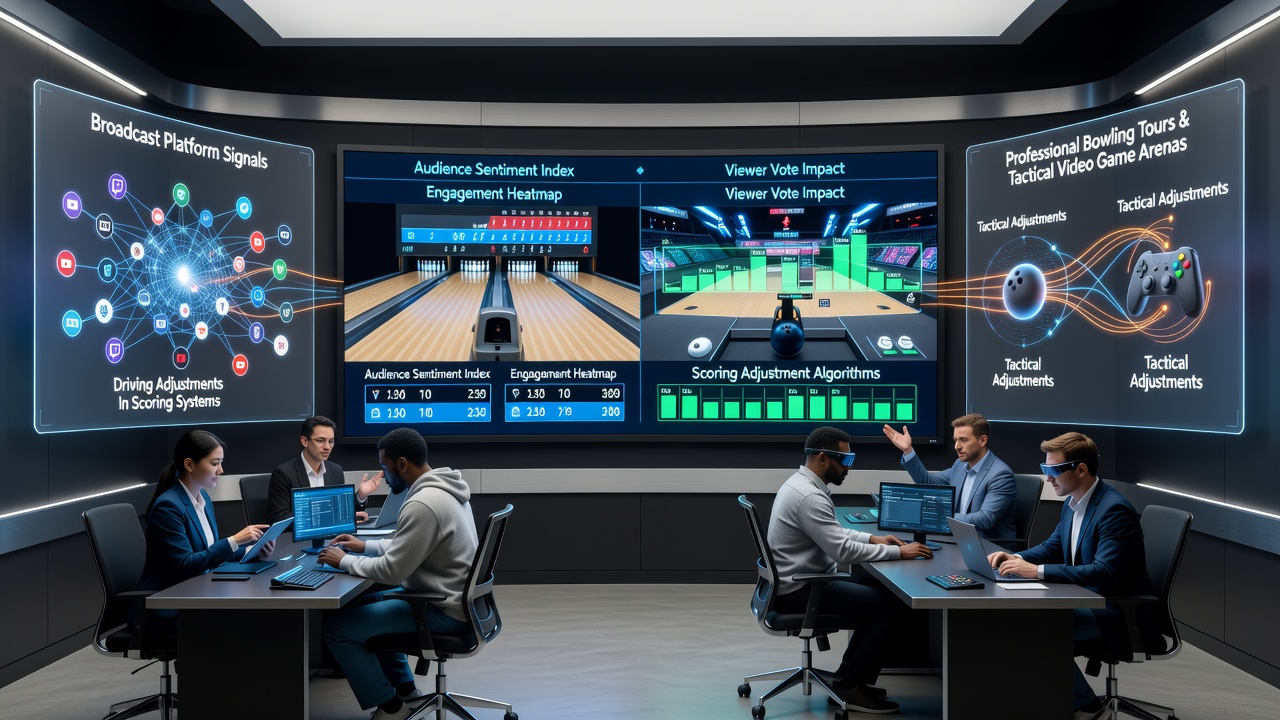
Viewership data collected through broadcast platforms has begun to influence how scoring systems operate in professional bowling tours alongside tactical video game arenas, where adjustments appear in response to engagement patterns tracked during live transmissions. Platforms such as streaming services and traditional networks supply metrics on dwell time, interaction rates, and drop-off points that organizations then incorporate into rule evaluations. In August 2026 several tours implemented pilot modifications after reviewing aggregated signals from the prior season, and these changes affected point allocation in both physical and digital competitions.
Broadcast Data Integration in Professional Bowling
Professional bowling organizations track audience retention during televised frames, and when metrics show sustained interest around specific shot types or scoring sequences the tours test corresponding adjustments to bonus multipliers or frame weighting. Data pipelines from major broadcasters feed into analytics teams that compare viewer behavior against traditional scoring outcomes, while patterns emerge around high-stakes moments where engagement spikes correlate with certain pin configurations. One study conducted by researchers at the University of Waterloo examined Canadian bowling broadcasts and found that frame completion rates influenced subsequent scoring tweaks in regional tours.
Teams responsible for rule reviews now receive quarterly reports that break down second-by-second engagement, and these reports highlight segments where audiences remain attentive versus those where viewership declines. Bowling tours have responded by introducing provisional scoring elements that reward consistency across multiple frames rather than isolated strikes alone, and early results from the 2026 season indicate shifts in how competitors approach late-match strategies. The Professional Bowlers Association maintains an open data portal that shares anonymized engagement summaries with member organizations.
Parallel Developments in Tactical Video Game Arenas
Tactical video game competitions, including arena-based events featuring team objectives and agent abilities, have incorporated similar audience-derived adjustments to round scoring and win conditions. Broadcast platforms capture heat maps of viewer focus during clutch situations, and organizers adjust point values for specific in-game actions when retention data shows prolonged attention around particular mechanics. In August 2026 several regional circuits updated their point tables after reviewing signals from the previous competitive window, and these updates altered how teams prioritized objective control versus elimination sequences.
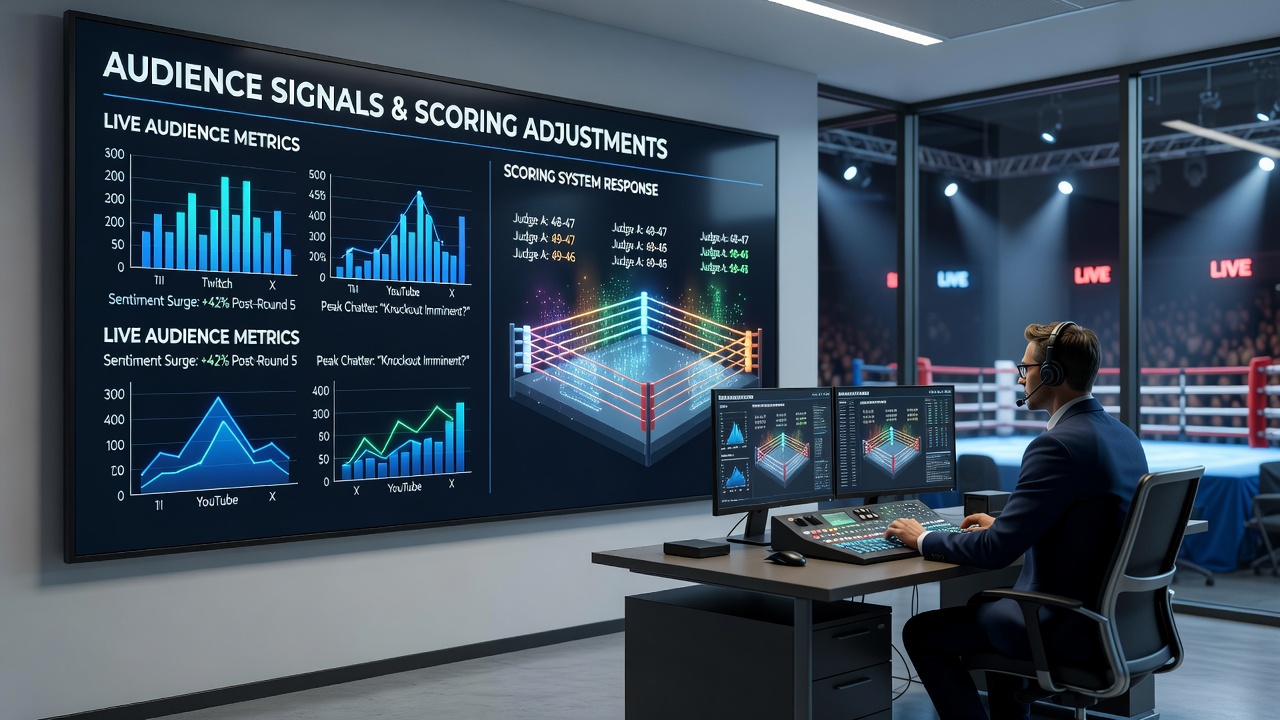
Analytics groups working with esports leagues cross-reference chat activity, concurrent view counts, and highlight clip generation rates against traditional performance logs, and this combined dataset informs proposals for scoring rebalancing. Tactical arenas have introduced dynamic scoring windows that expand or contract based on observed viewer dwell times during specific map phases, while teams adapt their in-game communication to align with the new structures. Observers note that these modifications maintain competitive integrity because changes undergo multiple rounds of validation before full adoption.
Cross-Domain Patterns and Implementation Timelines
Both bowling tours and tactical video game circuits now operate shared data frameworks that process audience signals through standardized pipelines, and these frameworks allow for comparative analysis across physical and digital formats. When broadcast metrics reveal comparable retention curves around high-variance scoring moments, organizers coordinate adjustment schedules that roll out during off-peak periods. In 2026 the alignment of update cycles between the two domains produced synchronized rule testing phases, and participant feedback sessions captured reactions to the modified systems.
Implementation occurs through phased rollouts where initial trials run on secondary circuits before wider deployment, and each phase includes review periods that incorporate fresh audience data collected during the trial windows. Regulatory bodies in multiple regions, including the Australian Sports Commission, have issued guidance documents on transparency requirements for data-driven rule changes, and these documents emphasize documentation of how viewer metrics translate into scoring parameters.
Technical Infrastructure Supporting Adjustments
Real-time data ingestion from broadcast platforms relies on APIs that aggregate engagement indicators and route them to central repositories used by scoring committees. Machine learning models trained on historical viewership patterns help predict which scoring modifications are likely to sustain attention across different audience segments, and these models receive continuous updates as new transmission data arrives. Both bowling and esports organizations employ dedicated data engineers who maintain the connections between platform outputs and internal evaluation tools.
Security protocols ensure that raw viewer information remains anonymized during transfer, and audit trails document every step from signal collection to scoring revision. The resulting systems allow tours to respond to audience behavior within a single competitive season rather than across multiple years, and this responsiveness has become a standard operational feature for organizations managing either bowling events or tactical video game tournaments.
Conclusion
Audience signals processed through broadcast platforms continue to shape scoring system refinements in professional bowling tours and tactical video game arenas, with August 2026 marking an acceleration in coordinated implementation across both fields. The infrastructure supporting these adjustments integrates retention metrics, interaction data, and performance logs into unified review processes that maintain competitive standards while responding to observed viewer patterns. Organizations involved maintain documentation trails that link specific data inputs to resulting scoring changes, and ongoing monitoring ensures that modifications produce measurable effects on engagement indicators.