20 May 2026
Behind the Numbers: Machine Learning Applications in Refreshing Team Hierarchies for Baseball Leagues and Tactical Shooter Competitions
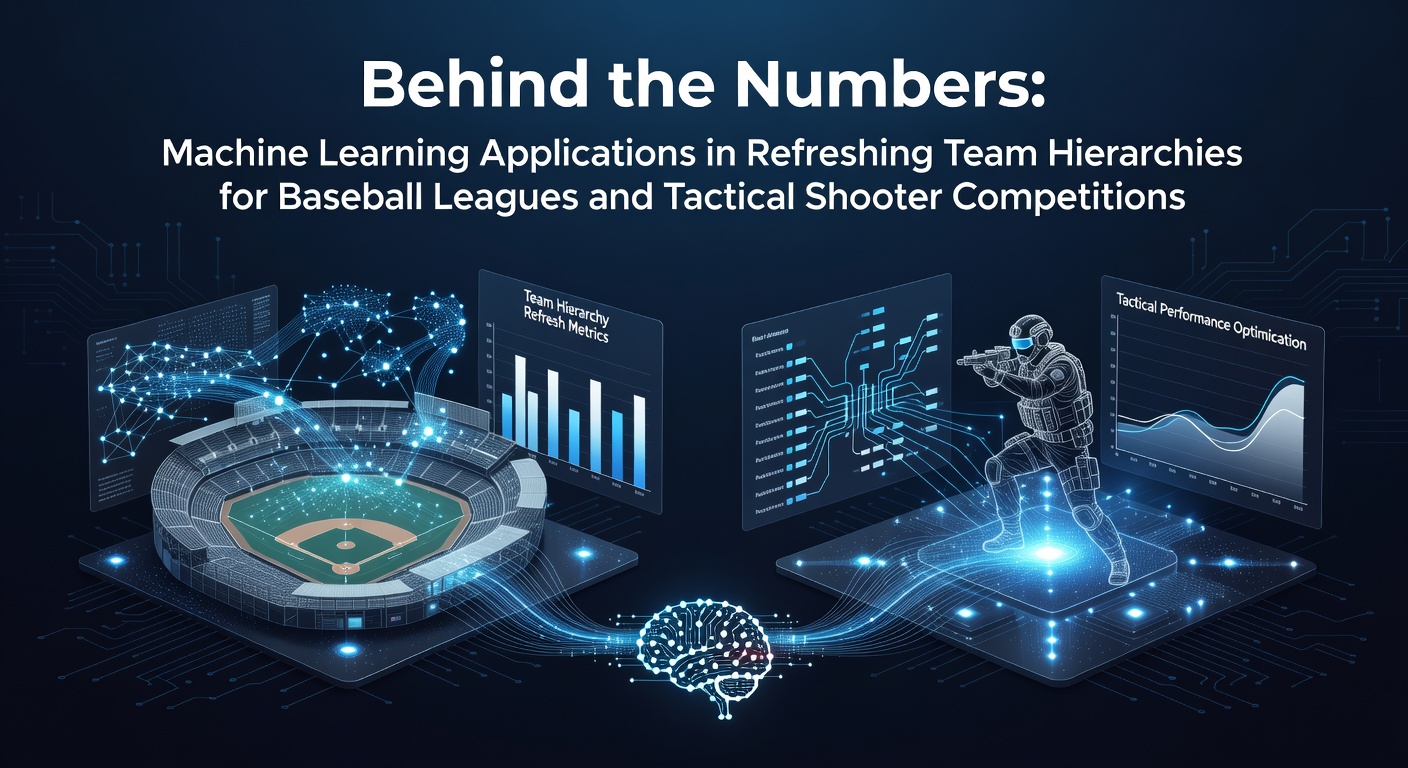
Baseball organizations and tactical shooter squads have turned to machine learning models that analyze performance metrics at scale, and these systems now help refresh team hierarchies by reordering player roles based on evolving data patterns rather than fixed scouting reports alone. In major leagues and competitive circuits alike, algorithms sift through player statistics, in-game positioning logs, and opponent tendencies to suggest lineup tweaks or role rotations that keep squads adaptable through long seasons.
Machine Learning Models Reshape Baseball Hierarchies
Front offices in professional baseball circuits feed historical game data into neural networks that predict optimal batting orders and defensive alignments, and these models weigh factors such as pitch velocity trends, swing mechanics, and base-running efficiency to generate fresh hierarchy recommendations each week. During May 2026 several clubs integrated updated versions of these tools ahead of interleague play, allowing managers to shift infield priorities when ground-ball rates climbed across opposing rotations.
Researchers at sports analytics centers have documented how clustering techniques group players by complementary skill profiles, which then informs decisions on who occupies the top spots in the batting sequence versus lower-order positions built for situational execution. Data from recent seasons shows that teams employing such refreshes reduced strikeout percentages in high-leverage innings by noticeable margins compared with clubs that stuck to preseason depth charts.
Algorithmic Updates in Tactical Shooter Lineups
Tactical shooter competitions, including professional Valorant and Counter-Strike circuits, rely on reinforcement learning agents that simulate thousands of round scenarios to test different operator or agent assignments within a five-person roster. These simulations output revised hierarchies that prioritize entry fraggers, support players, and in-game leaders according to map-specific success probabilities rather than static reputation rankings.
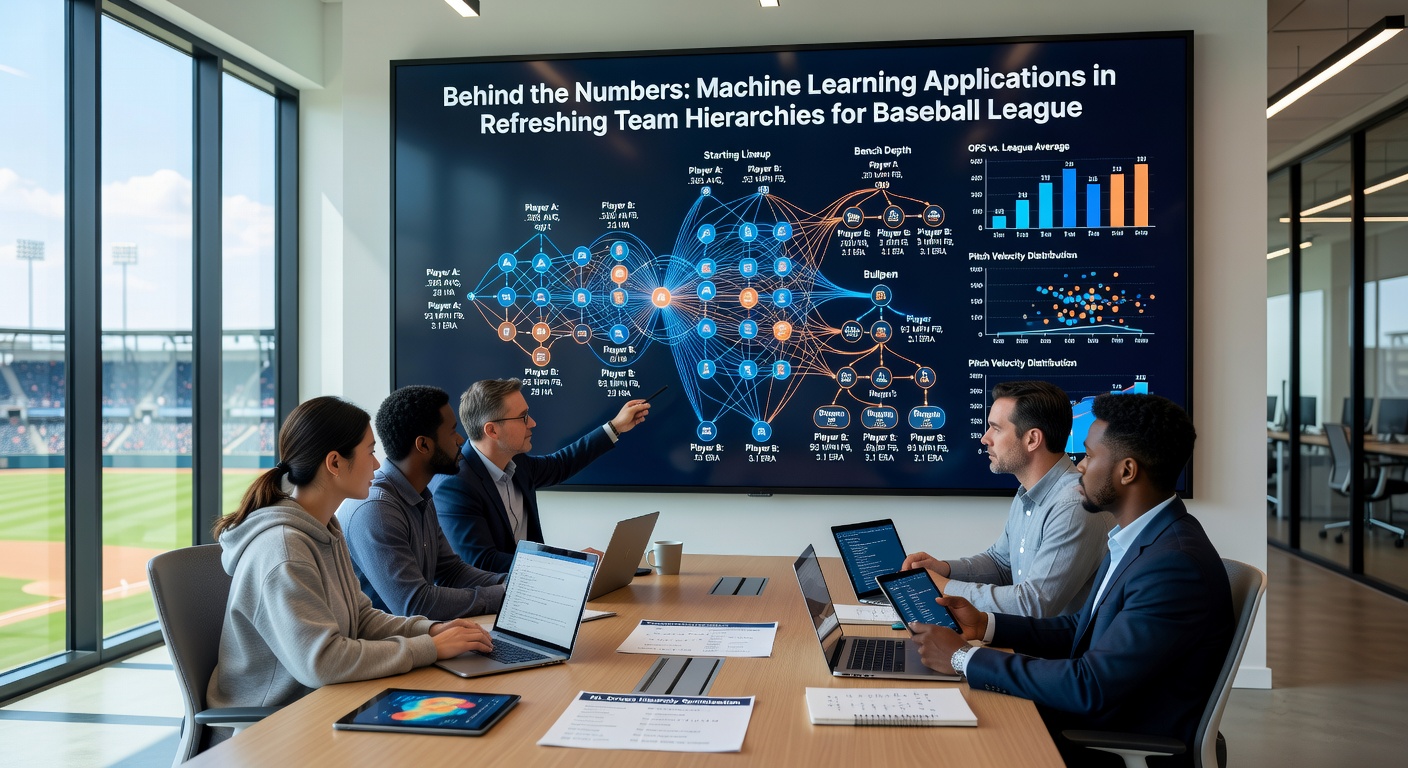
Coaching staffs review heatmaps and utility usage statistics generated overnight, then implement hierarchy shifts before the next match day; one European squad altered its primary caller position twice during a spring regional event after the model flagged declining coordination scores in post-plant situations. Observers note that such rapid refreshes mirror practices already common in baseball, where bullpen hierarchies get rebuilt weekly based on pitch-tunnel data and arm-angle consistency metrics.
Shared Techniques Across Both Domains
Both baseball leagues and tactical shooter organizations employ gradient-boosted decision trees to rank players by projected contribution to overall team win probability, and these rankings feed directly into daily or weekly hierarchy updates that replace older subjective evaluations. The approach allows squads to account for opponent-specific variables, such as a power-hitting lineup in baseball or an aggressive site-take team in shooters, without waiting for human coaches to spot patterns through manual review.
Industry reports from the MIT Sloan Sports Analytics Conference highlight how cross-domain feature engineering now transfers concepts like expected value modeling from baseball plate appearances to shooter economy rounds, creating unified frameworks that refresh hierarchies on comparable time scales. Teams that adopted these blended methods recorded steadier performance curves across multi-week tournaments and regular-season stretches.
Implementation Challenges and Data Infrastructure
Collecting clean, high-resolution data remains essential, because machine learning outputs lose accuracy when input logs contain gaps from incomplete tracking systems or inconsistent event labeling. Baseball organizations have invested in expanded sensor arrays at every stadium, while tactical shooter leagues standardized demo file parsing protocols that feed directly into cloud-based training pipelines.
Coaches and analysts still review model suggestions before finalizing changes, since regulatory bodies in both sports require human oversight on roster decisions that affect competitive integrity. Training data drawn from the 2025-2026 cycles already incorporates rule adjustments in baseball and map pool rotations in shooters, keeping hierarchy recommendations aligned with current conditions.
Conclusion
Machine learning continues to supply baseball leagues and tactical shooter competitions with tools that refresh team hierarchies on data-driven cycles, and the resulting structures reflect real-time performance signals instead of fixed assumptions. As tracking technology improves and simulation fidelity increases, organizations across both fields gain clearer pathways to maintain competitive edges through systematic role and lineup adjustments.