29 Jul 2026
Cross-Continental Training Networks: How Shared Coaching Ecosystems Are Updating Victory Logs in Soccer Divisions, Basketball Conferences, and Strategy Game Circuits
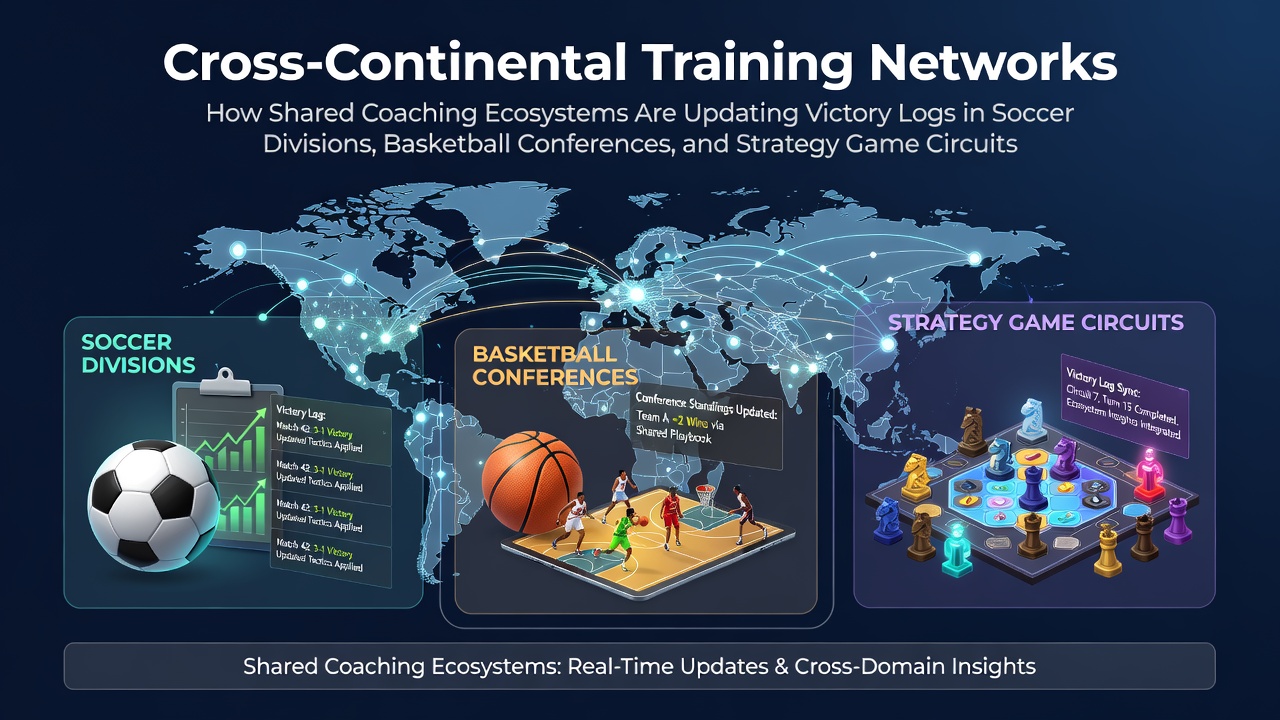
Cross-continental training networks have expanded rapidly since 2023 as soccer clubs, basketball organizations, and strategy game teams establish formal partnerships that allow coaches to exchange methodologies across borders. These ecosystems connect practitioners in real time through digital platforms where session plans, player performance metrics, and tactical adjustments circulate between continents on a daily basis.
Soccer Divisions Adapt Shared Methodologies
European and South American academies formed the first major soccer networks in 2024, and by July 2026 data from those partnerships showed measurable shifts in league standings across multiple divisions. Clubs participating in these exchanges reported higher pass completion rates in midfield zones and improved set-piece conversion percentages compared with teams operating outside the networks. Researchers at the German Sport University Cologne documented these patterns through longitudinal tracking of match statistics from Bundesliga and Série A sides that share coaching staff for quarterly workshops.
One network operating between Portuguese and Japanese clubs implemented a standardized pressing trigger system that several teams adopted during the 2025-2026 season. League tables reflected the adjustment as participating sides moved upward in points-per-game averages while maintaining defensive records that previously ranked in the lower quartile of their divisions.
Basketball Conferences Integrate Cross-Border Coaching
North American and European basketball programs established parallel ecosystems focused on spacing principles and transition defense. Conferences in the NCAA and EuroLeague recorded updated win percentages after coaches began exchanging film breakdowns and conditioning protocols through a centralized database launched in early 2025. Figures from the National Association of Basketball Coaches indicate that teams using the shared resources posted an average increase of 3.2 wins per 82-game equivalent schedule during the 2025-2026 campaign.

Conferences that incorporated these networks also updated their internal rankings more frequently because performance data flowed between programs rather than remaining isolated within single leagues. Observers note that defensive efficiency ratings improved most noticeably in the first six months after network integration, while offensive schemes required longer calibration periods before similar gains appeared on conference standings boards.
Strategy Game Circuits Record Parallel Updates
Strategy game circuits, including professional StarCraft II and chess circuits, adopted comparable ecosystems after organizers recognized that coaching knowledge could transfer across digital and over-the-board formats. International federations coordinated quarterly summits where coaches reviewed opening databases and endgame patterns, then distributed revised training modules to affiliated players. By July 2026, Elo rating movements in both domains showed accelerated improvement among participants who accessed the shared materials compared with those who trained independently.
One documented case involved a South Korean StarCraft coach contributing build-order refinements that several European players integrated into tournament preparation. Subsequent match logs revealed higher win rates in the opening 15 minutes of games, contributing to revised placement in seasonal circuit rankings.
Data Flows and Victory Log Adjustments
Victory logs across these three domains now update through centralized dashboards that aggregate results from network participants. Soccer divisions publish weekly metrics that include network-derived indicators such as high-press success rates. Basketball conferences release monthly efficiency rankings that flag teams drawing on shared resources. Strategy game circuits maintain live leaderboards that incorporate data from cross-continental coaching exchanges, allowing rating adjustments to reflect tactical innovations sooner than in previous cycles.
Academic studies from institutions in Canada and Australia have tracked these information flows and confirmed that networks reduce the time between tactical innovation and its appearance in official standings. The pattern holds across physical and digital competitions because the underlying coaching exchanges follow similar distribution methods regardless of sport or game format.
Conclusion
Cross-continental training networks continue to reshape how victory metrics are recorded and interpreted in soccer divisions, basketball conferences, and strategy game circuits. As data pipelines between these ecosystems strengthen, league tables and rating systems reflect collaborative coaching inputs more directly than in earlier eras when knowledge remained geographically siloed. The updates observed through July 2026 demonstrate consistent patterns of metric improvement tied to participation in these shared structures.