26 Aug 2026
Cross-Platform Data Links from Wagering Apps to Updated Classifications in Winter Discipline Events and Strategy Game Arenas
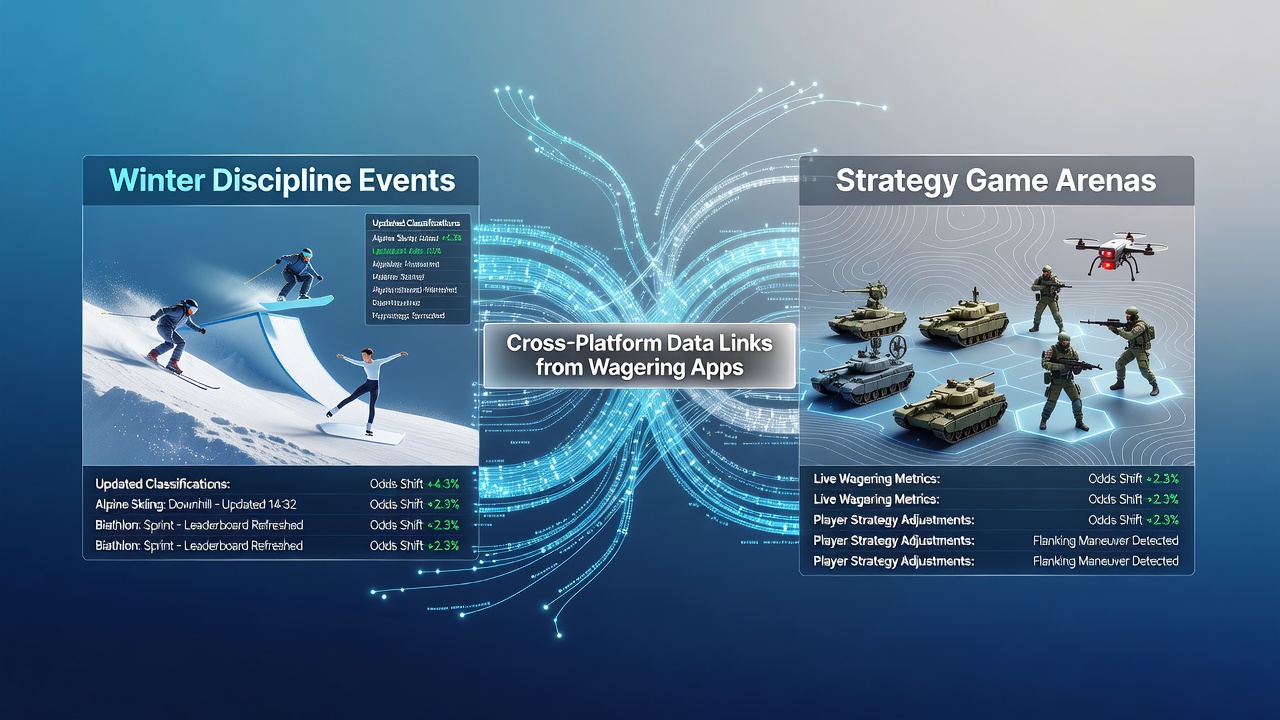
Connections between wagering applications and classification systems have grown more intricate over the past decade, particularly where winter discipline events intersect with strategy game arenas. These links allow performance data from betting platforms to feed directly into updated standings for alpine skiing, biathlon, and snowboarding circuits on one side, and chess tournaments, Go competitions, and tactical esports ladders on the other. Governing bodies maintain secure application programming interfaces that pull aggregated wager volumes, odds movements, and outcome probabilities into official ranking algorithms.
By August 2026, multiple winter sports federations had adopted standardized data schemas that accept inputs from licensed operators across North America and Europe. The International Ski Federation began testing these feeds in the 2025-2026 season, which enabled daily recalculation of points for athletes based on predictive models refined through betting market activity. Strategy game organizers followed a parallel path, with the International Chess Federation incorporating similar streams to adjust Elo-derived ratings after major online events where live wagering occurred.
Data Pipeline Architecture
Modern pipelines rely on encrypted channels that transmit event metadata without exposing individual user information. Operators send anonymized transaction summaries that include bet timing, stake distribution, and market closure details. Classification engines then merge these signals with traditional results such as race times or match scores. Canadian regulatory frameworks require operators to maintain audit logs that government agencies can review, while similar rules in Australia enforce separation between raw betting data and personal identifiers before any transfer occurs.
One study conducted by researchers at the University of Toronto examined latency rates across these systems and found average delays of under four seconds from market settlement to ranking adjustment in winter events. Strategy game platforms reported comparable figures, although chess servers occasionally experienced spikes during simultaneous global tournaments when multiple operators transmitted updates at once. These measurements appear in technical reports that detail throughput capacity and error-correction protocols used to maintain ranking integrity.
Integration Examples in Winter Disciplines
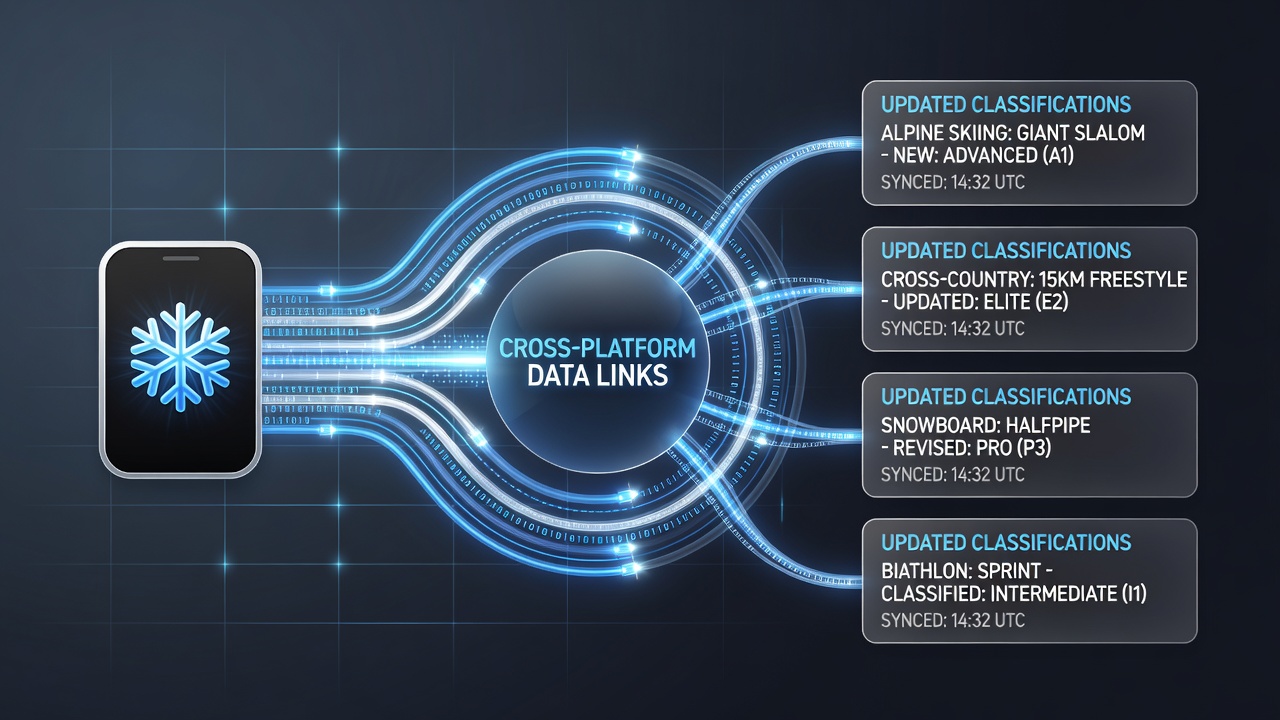
Biathlon competitions provide a clear case where heart-rate telemetry and shooting accuracy combine with wagering-derived momentum indicators. After each shooting stage, classification software recalibrates projected final standings using market odds that reflect collective bettor assessments of remaining conditions. Snowboard halfpipe events follow a similar pattern, where rotation counts and amplitude scores merge with volume-weighted predictions from live betting windows. Federation officials verify that all inputs meet consistency thresholds before publishing revised rankings on public leaderboards.
Parallel Developments in Strategy Game Arenas
Strategy game organizers have adapted the same architecture for events such as rapid chess and team-based tactical simulations. After each round, rating systems ingest aggregated data on opening choices and time-management decisions that correlate with betting market shifts. The result appears in updated player hierarchies that reflect both on-board results and external performance signals. European gaming associations have published guidelines that require transparent documentation of these weighting factors so participants understand how external data influences final placements.
Regulatory and Technical Safeguards
Authorities in multiple jurisdictions mandate regular penetration testing and data-minimization practices. Operators must demonstrate that no single data point can trace back to an individual wagerer before feeds reach classification servers. Academic reviews from institutions in Australia and Canada have confirmed that current encryption standards meet or exceed requirements set by international sports bodies. These reviews also note that audit trails allow rapid identification of anomalies, such as sudden spikes in certain market segments that might indicate technical glitches rather than genuine performance shifts.
Conclusion
Cross-platform connections between wagering applications and classification systems continue to evolve through standardized protocols and regulatory oversight. Winter discipline events and strategy game arenas both benefit from the resulting real-time adjustments that keep standings current across competitions. Continued collaboration among federations, operators, and oversight bodies supports the maintenance of accurate, verifiable rankings while preserving data protection standards established in various regions.