27 Jul 2026
Examining Broadcast Analytics Pathways to Position Recalibrations Across Gymnastics Sequences, Equestrian Circuits, and Virtual Reality Challenges
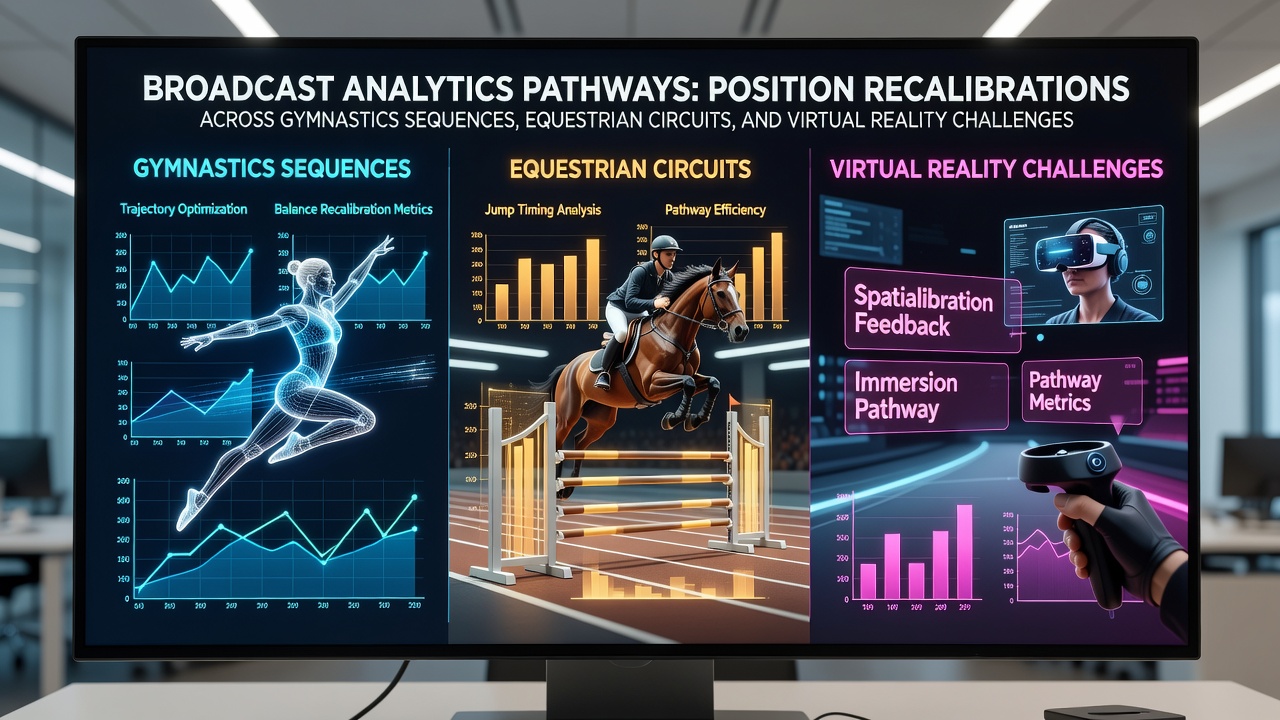
Analysts in sports broadcasting have developed pathways that route live video feeds through layered data systems to recalibrate athlete and competitor positions during gymnastics sequences, equestrian circuits, and virtual reality challenges, and these systems rely on synchronized camera inputs combined with sensor outputs to adjust rankings or placements as events unfold.
Data Integration in Gymnastics Sequences
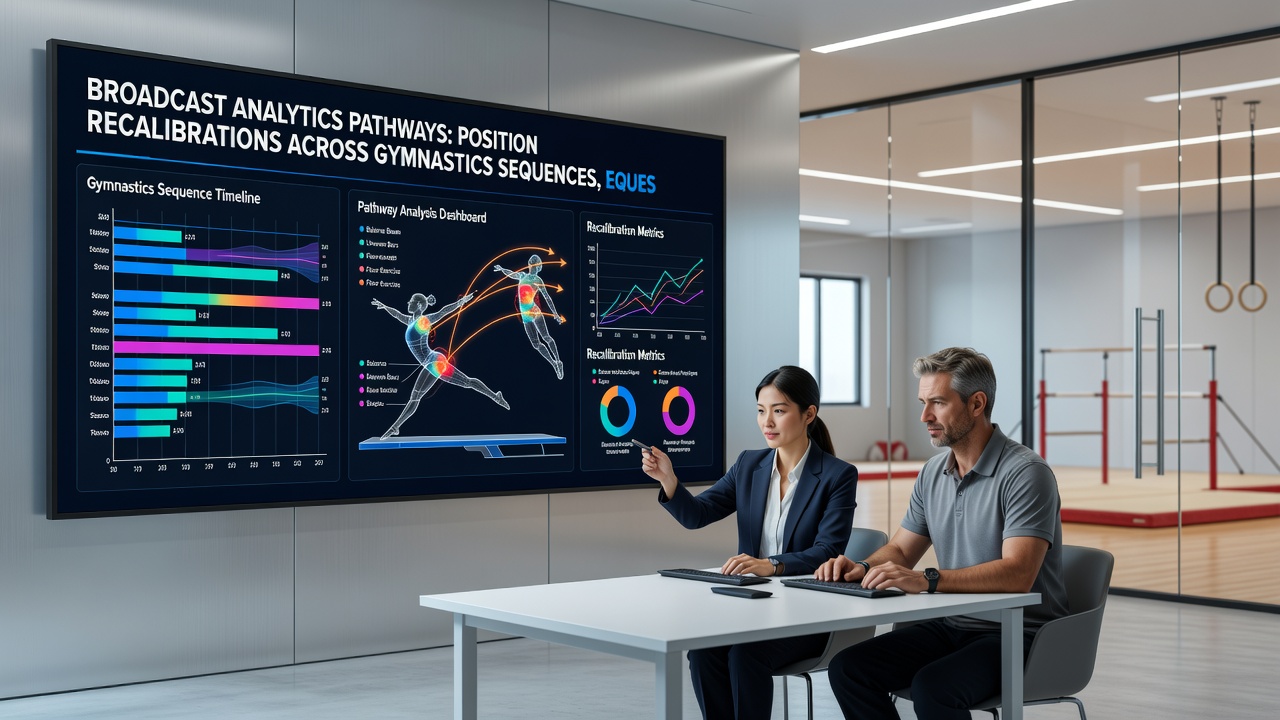
Broadcast crews capture multiple angles of floor routines, vault approaches, and balance beam movements while software processes frame-by-frame metrics to detect minor shifts in body alignment or landing stability, and this information feeds directly into scoring adjustments that officials review in real time. Research from the Australian Institute of Sport shows how integrated tracking tools have updated position evaluations across major competitions since 2024, allowing recalibrations that reflect precise joint angles and rotation speeds without interrupting the flow of the performance.
Operators route these analytics through central hubs that merge footage from overhead and side cameras with wearable device readings, whereas traditional manual reviews once required separate video sessions after each routine. In July 2026, several international meets adopted updated protocols that shortened the interval between a gymnast's dismount and the final position confirmation by routing data through automated verification layers.
Position Tracking Along Equestrian Circuits
Equestrian events present extended courses where horse and rider combinations navigate jumps, turns, and timed segments, and broadcast analytics pathways capture stride lengths alongside trajectory data to recalibrate placements when initial visual estimates differ from sensor-verified measurements. Multiple camera arrays positioned along the circuit feed continuous streams into processing units that compare actual paths against course maps, while embedded saddle and bridle sensors supply additional coordinates that refine final standings.
Those who manage live coverage note that the same pipelines handle both outdoor grass arenas and indoor facilities, and adjustments occur during the ride itself rather than after completion. Data collected during the 2025 season indicated that recalibration events increased by measurable margins when systems incorporated dual-source verification from video and telemetry.
Virtual Reality Challenge Environments
Virtual reality platforms generate entirely digital sequences where participants move through simulated obstacles or timed courses, and broadcast analytics pathways translate motion-capture inputs into visible position updates that viewers and officials observe simultaneously. Developers embed calibration checkpoints at fixed intervals so that any drift in avatar placement triggers immediate recalculations based on server-side logs and participant headset readings.
Studies conducted at the University of Waterloo have examined how these digital pathways maintain consistency across distributed user groups, and the findings highlight reduced discrepancies when multiple data streams converge before final placement displays. Organizers of events scheduled for July 2026 plan to expand these methods to include cross-reality overlays that blend physical training data with virtual performance logs.
Shared Technical Pathways Across Disciplines
Although gymnastics, equestrian, and virtual reality settings differ in physical scale and environment, the broadcast analytics pathways share core components such as timestamp synchronization, multi-sensor fusion, and automated alert triggers for position deviations. Engineers route incoming data through common middleware layers that standardize output formats before they reach scoring interfaces or viewer graphics.
One case involved a combined training program where gymnasts practiced routines alongside equestrian simulation modules, and the resulting datasets revealed overlapping requirements for rotation tracking and velocity measurement. Observers report that these shared elements reduce development time when new recalibration features roll out across separate sports governing bodies.
Future Adjustments and System Scaling
Expansion of these pathways continues as hardware costs decline and processing speeds rise, allowing smaller regional events to adopt versions previously limited to elite competitions. In July 2026, several governing organizations intend to test unified dashboards that display recalibrated positions from gymnastics, equestrian, and virtual reality events on a single interface for comparative analysis.
Engineers continue to refine latency thresholds so that adjustments appear within broadcast segments without noticeable delays, and ongoing trials measure the impact of added camera density on overall accuracy rates. The pathways therefore evolve through iterative updates that incorporate feedback from each discipline while preserving the core routing logic.
Conclusion
Broadcast analytics pathways now connect real-time video and sensor inputs to position recalibrations in gymnastics sequences, equestrian circuits, and virtual reality challenges through standardized data flows that operate across varied competition formats. Continued scaling of these systems depends on consistent integration practices and cross-discipline testing that began gaining momentum in 2025 and extends into scheduled 2026 implementations.