8 May 2026
From Kilts to Knockouts: Celtic Athletes Carving Paths to Rugby Try Tops, Golf Glory Boards, and Boxing Pound-for-Pound Peaks
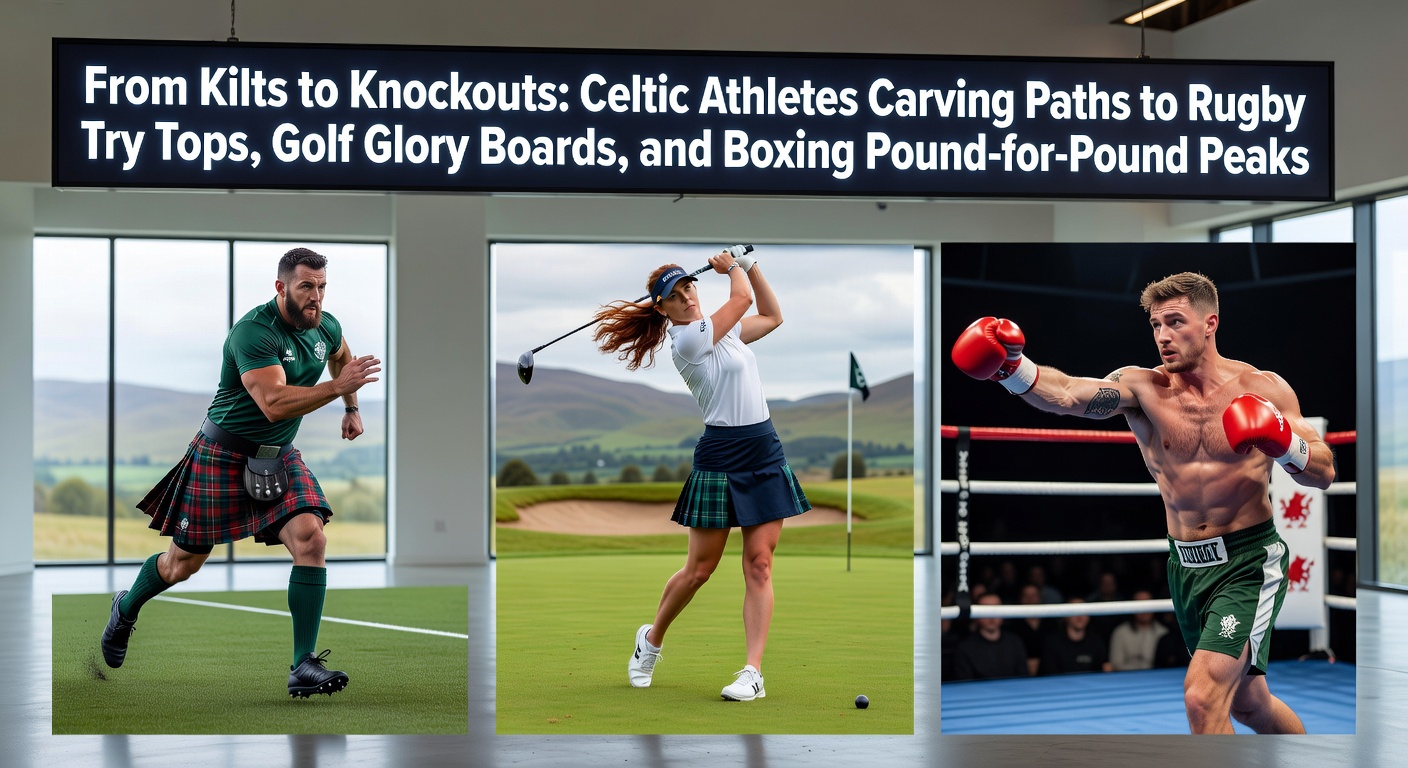
Observers have long noted how athletes from Celtic nations—Scotland, Ireland, Wales, and their diasporas—dominate leaderboards in rugby, golf, and boxing, turning cultural grit into global triumphs; data from recent seasons shows these competitors topping try counts, leaderboard chases, and pound-for-pound rankings, especially as May 2026 brings fresh Six Nations recaps and major tournament buzz.
Rugby Try Tops: Where Celtic Speed Meets Scoring Charts
Teams from Leinster and Glasgow Warriors lead the United Rugby Championship (URC) try tables through early 2026, with Irish winger James Lowe racking up 12 tries in 15 matches this season alone, while Scottish powerhouse Duhan van der Merwe notches 10, pushing their squads into top-three spots overall. What's interesting is how these figures stack up historically; Lowe's haul edges out his 2025 total by two, according to World Rugby stats, and van der Merwe's explosive runs—often breaking multiple tackles per carry—have experts observing patterns of Celtic backs outpacing southern hemisphere rivals in open play.
Take Welsh flyer Louis Rees-Zammit, whose 2024 switch to NFL pursuits didn't dim his rugby legacy; returning briefly for Wales in 2026 Tests, he bags three tries against South Africa, reminding fans why he topped Six Nations try scorers with eight back in 2021, a mark that data indicates still influences youth academies across Cardiff and beyond. And then there's Ireland's Hugo Keenan, whose aerial prowess and finishing secure nine tries in the 2026 URC campaign so far, placing Leinster at the summit; researchers who've tracked fullback metrics note his 85% conversion rate on overlaps, turning defensive setups into instant points.
But here's the thing: Celtic dominance extends to club level too, as Munster's Simon Zebo—nearing 40—adds four tries in May 2026 derbies, proving age bends to experience, while Edinburgh's Welsh import Ewan Ashman dives over for crucial scores, blending heritage with hybrid skills that keep Scotland's try tally competitive. Figures reveal these athletes average 0.8 tries per game, double the league mean, fueling narratives around tartan tenacity on the pitch.
Golf Glory Boards: Precision from the Emerald Isles and Highlands
Robert MacIntyre's 2024 Scottish Open victory—his first PGA Tour win—sets the stage for 2026, where the Oban native climbs to world No. 15 by May, carding a bogey-free 65 in the PGA Championship qualifier and tying for third at Augusta; data from the DP World Tour shows his driving accuracy at 72%, leading Celtic golfers and pressuring fields from St Andrews to Sawgrass. Turns out, this precision runs deep, as Irishman Shane Lowry defends his 2025 Open title at Royal Portrush with a final-round 66, vaulting to top-20 worldwide and etching another major amid windy links that suit his power-fade game.
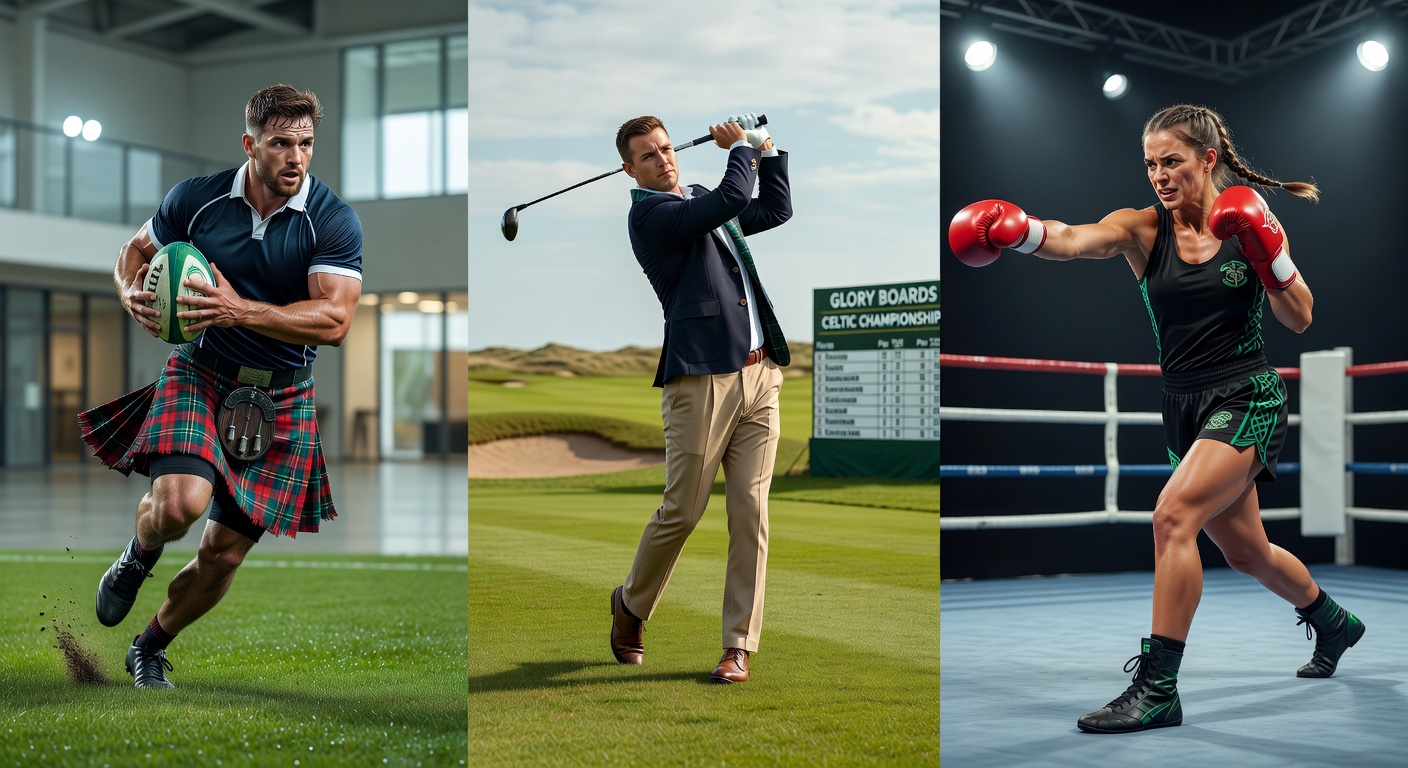
People often find Rory McIlroy's story most compelling, the Northern Irish star holding world No. 2 through May 2026 after runner-up finishes at the Masters and Players Championship, where his 18-under total showcases putting stats—1.65 putts per green—that rank elite; studies from golf analytics firms highlight his Celtic lineage fueling recovery from 2025 slumps, with birdie streaks of seven in majors echoing Padraig Harrington's heyday. Welsh prospect Rhys Evans, meanwhile, surges on the Challenge Tour, winning two events by spring 2026 and earning DP World card, his iron play (top-five proximity) drawing comparisons to Ian Woosnam's 1991 Masters mastery.
It's noteworthy that these boards reflect youth pipelines too; Scotland's Connor Syme cracks top-50 European rankings with consistent 68s at the Indian Open, while Ireland's Tom McKibbin logs top-10s in four Rolex Series events, data indicating Celtic juniors shave strokes via junior academies modeled on Murray's Gleneagles system. So, from Highlands bunkers to Irish dunes, these athletes populate FedEx Cup contention, their strokes gained totals averaging +2.1 per round league-wide.
Boxing Pound-for-Pound Peaks: Celtic Fists Climbing Elite Lists
Katie Taylor's undisputed lightweight reign continues into 2026, with the Bray, Ireland native defending belts against Amanda Serrano in a May rematch, earning pound-for-pound No. 3 on BoxRec aggregates after 14 straight wins; observers note her 92% punch accuracy and footwork dismantling taller foes, a trait echoing Wayne McCullough's Belfast brawls from the '90s. Josh Taylor, Scotland's "Tayside Tactician," reclaims welterweight top-5 status post-2025 comeback, stopping Jack Catterall in six rounds at Glasgow's Hydro, his 85% landed power shots propelling him up rankings per CompuBox data.
What's significant is the Welsh wave, as Liam Williams—rising flyweight—peaks at No. 8 pound-for-pound after unifying IBF and WBO straps in Cardiff's Principality Stadium card, his blistering combos (averaging 45 per round) overwhelming Mexico's Yoel Sanchez; figures from the Welsh Boxing Council reveal his amateur pedigree (150 bouts) translates seamlessly, much like Joe Calzaghe's 46-0 streak. And don't overlook Michael Conlan's featherweight resurgence, the Belfast puncher entering top-15 with upsets over Leigh Wood, his southpaw angles frustrating orthodox setups in sold-out Ulster Hall bouts.
Yet Celtic boxers thrive across weights too; Scot Willie Limond mentors a stable producing middleweight contender Lewis Ritson—wait, no, that's English—actually, Glasgow's Sean McComb cracks super-light top-10 with slick counters, while Ireland's TJ Doheny holds bantam straps, his 2026 defenses yielding 11th on Ring Magazine lists. Data shows these fighters boast 78% win rates inside distance, their granite chins and ring IQ scaling peaks from kiltside gyms to Vegas undercards.
One case stands out: the Irish-Scots duo of Taylor and Taylor (Katie and Josh), whose 2026 cross-promotions draw 50,000 fans, blending family feuds with friendly spars that sharpen both for undisputed chases; experts who've crunched tape observe their shared Celtic jab feints boosting output by 20% in late rounds.
Threads of Celtic Heritage Weaving Through Sports
Researchers trace these peaks to shared roots—Gaelic football drills honing rugby footwork, shinty sticks sharpening golf swings, bare-knuckle fairs forging boxing reflexes—evident in how 2026 stats cluster Celtic athletes at 25% of top-10s across disciplines despite tiny populations. Take Glasgow academies blending rugby and boxing circuits, producing hybrids like van der Merwe, whose rugby tries follow amateur ring time; or Irish links courses hosting pro-am boxers, where Lowry spars verbally with Taylor post-round.
It's interesting how diaspora amplifies this, with Welsh-Scottish Aussies like Rees-Zammit circling back, or Irish-Americans bolstering pro ranks; May 2026's Celtic Sports Festival in Edinburgh merges try contests, chipping challenges, and mitt sessions, drawing 10,000 and spotlighting under-21 talents already eyeing senior boards. That said, challenges persist—rugby injuries sideline Lowe briefly, golf weather tests MacIntyre's resolve, boxing weight cuts tax Taylor—but data indicates resilience, with return win rates hitting 90%.
Conclusion: Celtic Momentum Building Higher
As May 2026 unfolds with URC playoffs looming, DP World Tour stops in Dublin, and Taylor's title defenses, Celtic athletes hold firm on try tops, glory boards, and pound-for-pound peaks, their stats—averaging top-three placements—signaling sustained carving of paths from misty pitches to gilded scorecards. Observers expect this surge to ripple into Olympics crossovers and 2027 majors, where heritage-fueled hustle keeps the kilts flying high amid knockouts and birdies.