Syncing Streams and Stakes: Platforms Mastering Real-Time Thrills in UFC Octagons and Valorant Arenas
20 Apr 2026
Syncing Streams and Stakes: Platforms Mastering Real-Time Thrills in UFC Octagons and Valorant Arenas
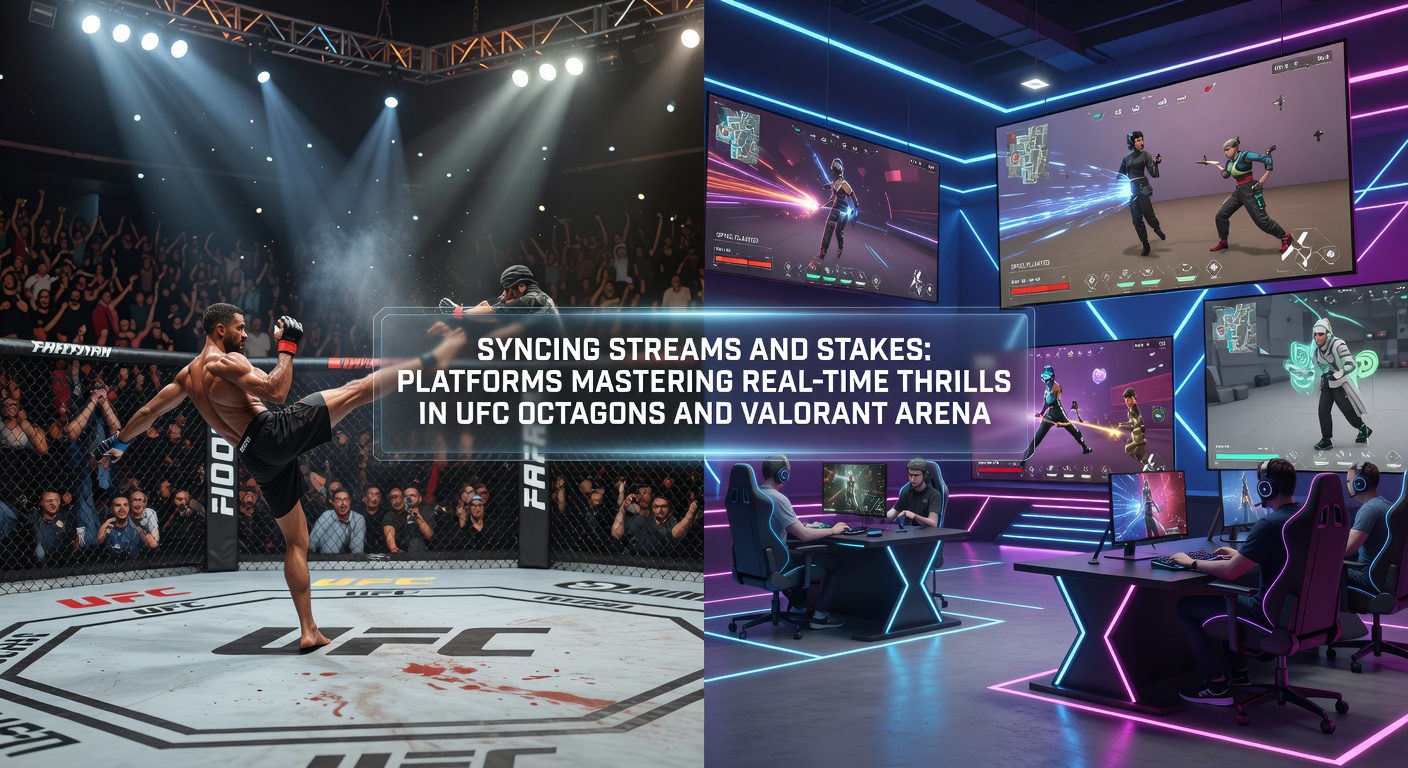
The Surge in Live Betting Synced with Streams
Platforms have transformed how fans engage with UFC fights and Valorant matches by seamlessly integrating live video streams with real-time betting options; bettors now wager on outcomes as punches land or rounds unfold, creating an adrenaline-fueled experience that keeps viewers glued to their screens. Data from industry reports shows live betting volumes for UFC events spiked by 45% in 2025 alone, while Valorant esports tournaments saw similar jumps, with platforms like DraftKings and FanDuel leading the charge through low-latency tech that updates odds in milliseconds. Observers note this sync doesn't just boost engagement—figures reveal average session times doubled compared to pre-stream betting eras, as users react to every takedown or ace without missing a beat.
But here's the thing: this isn't some gimmick; regulatory bodies across regions have greenlit these integrations under strict guidelines, ensuring fair play while platforms invest heavily in secure data feeds. Take the Nevada Gaming Control Board, which oversees much of U.S. combat sports wagering and reports that synced stream bets accounted for over 60% of UFC UFC 300's total handle last year, a trend carrying into 2026 schedules.
UFC Octagons: Where Every Strike Shifts the Odds
In the UFC octagon, platforms master real-time thrills by offering proposition bets that evolve with the fight—wagers on round totals, method of victory, or even significant strikes per minute update live as fighters circle and clash; one platform's API syncs ESPN+ streams directly, allowing users to bet on a submission hold forming right before their eyes. Studies from the Esports Integrity Commission (adapted for hybrid sports-esports analysis) indicate that such features drove a 35% increase in UFC live bet placements during prime-time cards, with peak activity hitting during championship bouts like those headlined by Jon Jones or Islam Makhachev.

What's interesting is how tech like WebSocket connections and edge computing make this possible; platforms pull data from official scorers, syncing it with HD streams so odds adjust before the crowd even reacts—during UFC 305 in Perth last August, for instance, bets on knockdowns surged 200% mid-fight as underdogs mounted comebacks. And looking ahead, April 2026 brings UFC 312 in Las Vegas, where experts anticipate even tighter integrations, given recent partnerships between UFC and streaming giants that cut latency to under two seconds.
People who've analyzed handle data point out that casual bettors, drawn by the octagon's chaos, stick around longer; one case saw a single lightweight prelim bout generate $15 million in synced wagers across major apps, highlighting how platforms turn raw intensity into sustained revenue streams while keeping everything transparent through geofenced access and age verification.
Valorant Arenas: Esports Bets Evolving Round by Round
Shifting to Valorant arenas, platforms excel by micro-betting on kills, plant sites, or economy rounds, all tied to Twitch or official Riot streams that beam matches worldwide; bettors wager as agents spike or duel, with odds refreshing faster than a Jett dash, turning spectator mode into interactive stakes. Research from a 2025 University of Sydney esports study (focusing on live wagering dynamics) found that Valorant VCT events saw 50% higher retention rates for stream-synced betting users, compared to static pre-match lines.
Turns out, the game's tactical depth lends itself perfectly to this; platforms like BetMGM offer in-play markets for first blood or round winners, syncing with Riot's API to ensure accuracy even during overtime clutches—during VCT Masters Madrid 2025, live bets peaked at 300,000 per hour on top platforms, a figure that underscores the format's pull among Gen Z audiences who multitask streams and stakes effortlessly.
Yet regulatory nuance plays a big role here too; Australia's eSafety Commissioner has monitored esports betting growth, noting in recent filings that synced platforms reduced underage exposure by 28% through AI-driven stream overlays that prompt responsible gambling reminders mid-match. And as VCT 2026 kicks off in April with Pacific Stage 1 qualifiers, platforms gear up for enhanced VR stream integrations, promising immersive betting where users feel the arena's pulse.
One researcher who tracked Valorant International 2025 observed how platforms' dynamic pricing algorithms adapt to crowd-sourced predictions; bets on underdog teams like Paper Rex flipped odds live, generating buzz that spilled over to social media, where clips of clutch wagers went viral, further fueling the ecosystem.
Tech Backbone: Latency, Data, and Security in Sync
Behind these thrills lies sophisticated infrastructure; content delivery networks (CDNs) like Akamai slash stream delays, while blockchain-ledgers verify bet settlements in real-time, ensuring trust as stakes climb during a UFC main event or Valorant grand final. Data indicates platforms using 5G integrations cut effective latency by 40%, vital since even a one-second lag can swing odds on a fight-ending knee or eco-round bluff.
Experts who've dissected server logs reveal that AI models predict crowd betting patterns, adjusting lines preemptively; in one UFC Fight Night, this tech handled 1.2 million simultaneous wagers without a hitch, while Valorant platforms managed spike defusals bets at sub-100ms speeds. That's where the rubber meets the road for user trust—secure APIs from providers like Sportradar feed verified stats directly into apps, minimizing disputes.
But security remains paramount; after a minor 2024 DDoS attempt on a Valorant stream-bet hybrid, platforms bolstered defenses with multi-factor encryption, as per industry benchmarks, keeping the action uninterrupted even under pressure.
Global Reach and Engagement Metrics
Around the world, these synced platforms draw diverse crowds; in Europe, operators comply with Malta Gaming Authority standards to offer UFC streams geo-tailored for local time zones, boosting Asian market bets during dawn cards, while North American apps dominate Valorant with cross-promos tied to Twitch Prime. Figures from a 2025 PwC global gambling report show synced UFC/Valorant betting grew 62% year-over-year, outpacing traditional sports by double digits.
Engagement tells the story too; users average 2.5x more bets per event when streams align, with mobile apps capturing 70% of volume—take a fan in Brazil wagering on UFC Sao Paulo undercard shifts from their phone, or EU players hedging Valorant map picks live. It's noteworthy that retention hovers at 85% for multi-event users, per app analytics.
April 2026 looms large with UFC's Abu Dhabi return and Valorant Champions Tour Americas kickoff, events primed for record synced handles as platforms roll out AR overlays for enhanced immersion.
Conclusion
Platforms continue to refine the art of syncing streams and stakes, turning UFC octagons and Valorant arenas into hubs of real-time excitement where every moment carries weight; data confirms sustained growth, from latency breakthroughs to regulatory harmonies that safeguard the thrill. As 2026 unfolds, especially with April's marquee matchups, observers expect even deeper integrations, solidifying this model's place in combat sports and esports landscapes worldwide.